
Article
Car service in Rural View
For friendly car service from a trusted independent mechanic you can rely on the team at David Galea Mechanical
Read moreHave you ever been driving along when a warning light suddenly appears on your dashboard? Whether it's a flashing engine symbol, a battery warning or an unfamiliar amber light, knowing what your car is trying to tell you can help prevent unexpected breakdowns and expensive repairs.
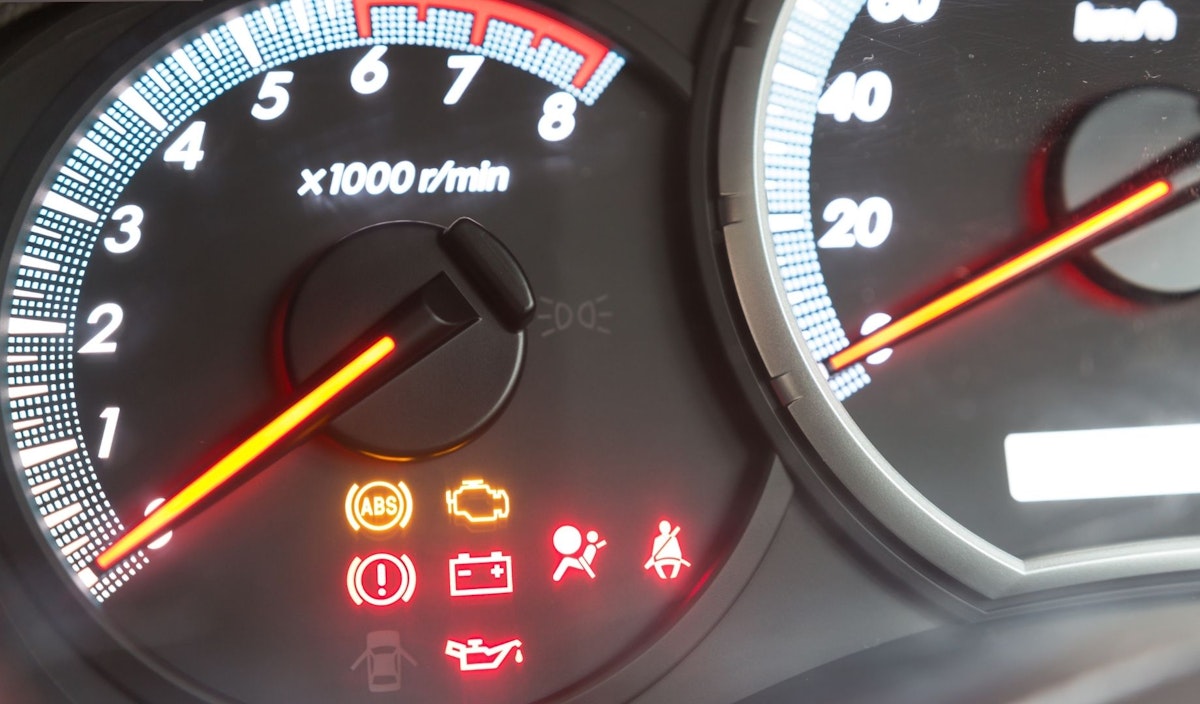
Modern vehicles use dashboard warning lights to alert drivers to potential mechanical, electrical and safety issues. While some lights are simply reminders, others indicate problems that require immediate attention.
At David Galea Mechanical, we understand how confusing dashboard warning lights can be. Here's our guide to some of the most common car warning lights, what they mean and what you should do when they appear.
Most vehicles use a colour-coded warning system to indicate how urgently an issue needs attention.
Remember that warning light colours and meanings can vary between vehicle makes and models, so always refer to your owner's manual.
The check engine light is one of the most common dashboard warnings and can appear for several reasons. Possible causes include:
What should you do?
If the check engine light stays illuminated, arrange a professional diagnostic inspection as soon as practical. If the light is flashing, it may indicate a serious engine misfire that could damage the catalytic converter. Pull over safely, switch off the engine and arrange assistance.
A professional diagnostic scan can help identify stored fault codes, allowing your mechanic to investigate the underlying problem rather than simply clearing the warning light.
The oil pressure warning light usually looks like a small oil can. If it illuminates while driving, it could indicate insufficient engine oil pressure. Potential causes include low oil levels, an oil pump problem or an internal engine fault.
What should you do?
Stop driving as soon as it is safe and switch off your engine. Continuing to drive with insufficient oil pressure can cause severe engine damage. Check your oil level according to your vehicle manufacturer's instructions, but don't assume topping up the oil has resolved the issue. If the warning remains illuminated, arrange professional assistance before driving again.
Despite its name, the battery warning light often indicates a problem with your vehicle's charging system rather than the battery itself. Common causes include:
What should you do?
If the battery warning light stays on while driving, your vehicle may be running on limited battery power. Turn off unnecessary electrical accessories and stop somewhere safe. Arrange an inspection rather than continuing your journey, as the engine may eventually stall or fail to restart.
An engine temperature warning light generally indicates that your engine is becoming too hot. Possible causes include:
What should you do?
If your engine temperature warning light turns red or the temperature gauge enters the overheating zone, pull over safely and switch off the engine. Never remove the radiator cap while the engine is hot, as pressurised coolant can cause serious burns. Allow the engine to cool and arrange a professional inspection before driving again.
A red brake warning light may indicate that your parking brake is engaged, your brake fluid level is low or there is a problem with the braking system. If the light remains on after releasing the parking brake, it should not be ignored.
What should you do?
Stop somewhere safe and check whether the parking brake is fully released. If the warning remains illuminated, particularly if the brake pedal feels soft or braking performance has changed, do not continue driving. Arrange professional assistance.
Your Anti-lock Braking System (ABS) helps prevent wheel lock-up during hard braking. An illuminated ABS warning light may indicate a fault involving wheel speed sensors, wiring or the ABS control system.
What should you do?
Your conventional brakes may still function, but the anti-lock braking feature could be unavailable. Avoid sudden braking where possible and arrange an inspection promptly. If the ABS light appears alongside the red brake warning light, stop safely and seek assistance.
The Tyre Pressure Monitoring System (TPMS) warning light usually resembles a horseshoe-shaped symbol with an exclamation mark. It may indicate that one or more tyres have insufficient pressure or that the monitoring system has developed a fault.
What should you do?
Stop somewhere safe and inspect your tyres. Check and adjust tyre pressures to the manufacturer's recommended specifications when safe to do so. If a tyre is visibly flat or damaged, do not continue driving on it. If the warning remains after correcting tyre pressures, further investigation may be required.
An airbag or Supplemental Restraint System (SRS) warning light can indicate a fault affecting the airbags, seatbelt pretensioners or associated sensors and wiring.
What should you do?
Arrange a professional inspection promptly. An active SRS fault may prevent some safety components from operating correctly during an accident.
Traction control and electronic stability control systems help maintain vehicle stability in slippery or challenging driving conditions. A flashing traction control light often means the system is actively working. However, a light that stays illuminated may indicate the system has been switched off or has developed a fault.
What should you do?
Check whether the system has been manually disabled. If the warning remains illuminated unexpectedly, arrange an inspection.
Whether it's safe to continue driving depends on the warning light and the symptoms your vehicle is experiencing. Some amber warnings may allow you to drive carefully to a nearby workshop, while red warning lights can indicate serious faults requiring immediate attention. Never ignore warning lights accompanied by:
If you're unsure whether your vehicle is safe to drive, seek professional advice before continuing.
Whether it's safe to continue driving depends on the warning light and the symptoms your vehicle is experiencing. Some amber warnings may allow you to drive carefully to a nearby workshop, while red warning lights can indicate serious faults requiring immediate attention. Never ignore warning lights accompanied by:
If you're unsure whether your vehicle is safe to drive, seek professional advice before continuing.
Modern vehicles contain sophisticated electronic systems that monitor everything from engine performance to braking and safety equipment. When a fault is detected, the vehicle may store diagnostic trouble codes that can help identify the affected system.
However, reading a fault code is only the beginning. A code does not always identify the exact component that needs replacing. Professional diagnostics combine fault code information with testing and mechanical knowledge to help determine the actual cause of the problem. Addressing dashboard warning lights early can help prevent minor faults from developing into more expensive repairs.
Don't wait for a small warning light to become a major mechanical problem. If your check engine light, ABS warning, battery light or another dashboard symbol has appeared, David Galea Mechanical can help you take the next step towards identifying the problem.
Whether your vehicle is showing signs of engine trouble, electrical faults or other mechanical concerns, timely professional attention can help keep your vehicle safe and reliable.
For friendly car service from a trusted independent mechanic you can rely on the team at David Galea Mechanical
Read more
Such things as modern safety systems & controls and a range of electronic devices such as navigation systems and various entertainment devices all rely on your auto electrical system to function...
Read more
David Galea Mechanical have partnered with Integrity Roadside Assistance to offer our customers an even greater level of service.
Read more